
Generally, the percentage of humidity present is higher in cooler environments such as cellars or underground or basement rooms.
For example, if the outdoor temperature in summer is 28 °C (82.4 °F)and the humidity 70% R.H., a cellar could have a temperature of 22 °C (71,6 °F). In this case the relative humidity would be 100% R.H and water condensation should be observed, seeing that the air has reached it’s saturation point at that temperature.
The opposite happens in heated rooms. For example on a rainy winter day the outdoor temperature could be 2 °C (35,6 °F) and the humidity 90% R.H.: the same air in a flat heated at 20 °C (68 °F)the relative humidity would be about 28% R.H.! There are rooms where, independently of other conditions, the relative humidity tends to be high: for example those rooms where sports activities are carried on, in locker rooms with showers, in swimming pools, in hairdressing salons, in restaurants, in kitchens, in dance halls, in ironing rooms, laundries, etc.
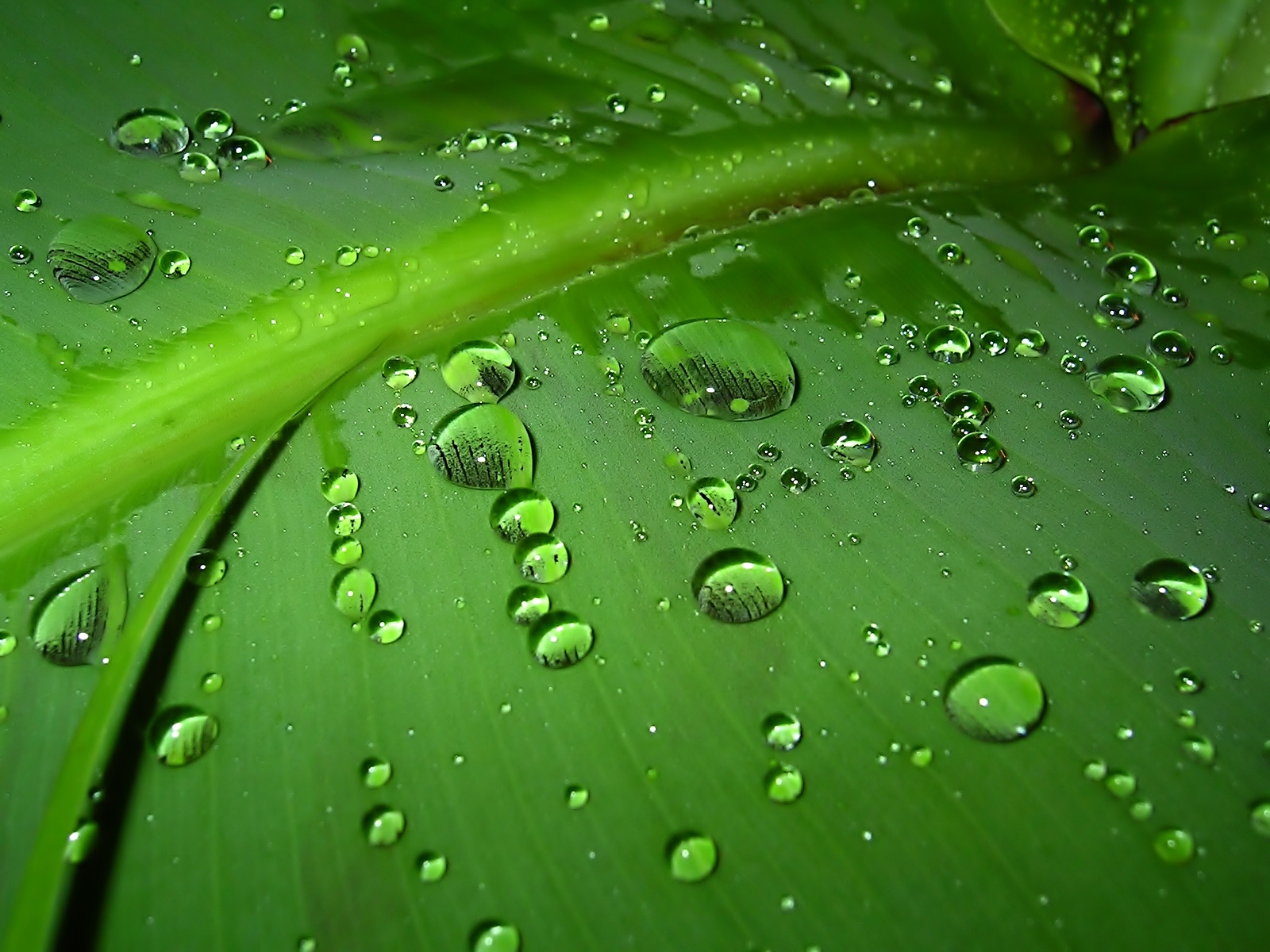

Having understood what humidity is, let us see why it is so important for our well-being.
Our body is a very delicate machine which, to function properly, must maintain its internal temperature as constant as possible. When the temperature increases, our body reacts with various countermeasures which would require a ponderous medical treatise to explain in full.
We will limit ourselves in observing that the main way of expelling excess heat is through the skin. When a greater quantity of heat needs to be expelled perspiration comes into play: with perspiration the skin is made humid and when it comes into contact with the air it tends to dry. Evaporation requires a large amount of heat which is taken from the skin and so also from inside the body, which can thus re-establish the correct temperature.
All this is very efficacious if the humidity in the air is low enough to guarantee rapid evaporation of the perspiration and therefore efficient cooling. Otherwise the perspiration stays on the skin and the body temperature increases causing a sensation of tiredness typical of stuffy days. Excessive perspiration also causes a loss of mineral salts that further aggravate the situation.